Allergies don't care exactly how neat a home looks. They care about what drifts in the air, conceals in fibers, and nests in the quiet corners of our areas. If you've ever before gotten up stuffy in spring, felt your eyes melt after vacuuming, or enjoyed a child's dermatitis flare after snuggling on the sofa, you've really felt the distinction in between aesthetic cleaning and allergy-focused cleaning. I discovered this by hand while aiding clients with relentless symptoms that didn't improve up until we altered what we cleaned, how we cleansed, and when we cleaned it. The objective isn't excellence. The objective is to decrease the lots of dust, pollen, family pet dander, mold and mildew spores, and deposits enough that your body can capture a break.
This is a functional, lived-in guide to allergy alleviation via house cleansing. It mixes day-to-day routines with periodic deep cleaning, and it outlines what to prioritize if you're short on time or energy. Whether you're prepping for springtime pollen, browsing a leave cleaning up to avoid an end-of-lease sneezing disaster, or resetting a home after an improvement, the concepts coincide: eliminate the tanks and keep the air clean.
The unnoticeable culprits
Dust is a courteous word for a messy mix: pieces of textile and paper, skin cells, insect parts, animal dander, plant pollen grains that rode know your coat, and often residue from cooking or traffic. Allergen don't reside in the dust so much as in fabrics that hold humidity and food. Assume cushions, pillows, rugs, and well-loved sofas. Mite irritants often trigger sneezing, dripping nose, and bronchial asthma flares. Pollen issues even if you don't have large outdoor direct exposures. It stays with hair, apparel, screens, and floor mats, then works out into carpets and vents. Mold and mildew spores wander via home windows and flourish where dampness lingers, particularly around bathrooms, basements, and under sinks. Then there are the "sticky" transgressors you bring home with you: smoke residues, scent substances, and cleansing product leftovers that irritate airways.
If you're not exactly sure what's troubling you, comply with the signs. If mornings are worst, concentrate on the bedroom. If cooking triggers you, consider air flow and stove practices. If you feel poor after vacuuming, you may be blasting allergen-laden exhaust right into the room.
Surface beauty vs. allergen control
Plenty of cleaning regimens concentrate on what reviews "clean" at a glimpse. Allergic reaction relief calls for a different lens. You target storage tanks and pathways. Reservoirs store allergens, after that release them with activity. Pathways spread them: heating and cooling flow, open windows over pollen days, forced-air vacuum cleaners, and ceiling followers that never ever obtain wiped. Investing an added 10 minutes in the ideal place matters greater than an hour invested brightening the incorrect surfaces.
I've had customers who mopped floorings daily yet never laundered bed linen. One more maintained spotless countertops yet made use of a vacuum cleaner without a HEPA filter. Their homes looked spick-and-span, but their sinuses didn't care. When we swapped a handful of tools and fine-tuned the order of procedures, signs and symptoms reduced within a week.
Tools that make a real difference
You don't require an army of gadgets, however a few clever choices set you up well. A vacuum with a sealed HEPA system traps fine fragments that cheaper vacuums simply push around. A cordless stick vacuum cleaner with a HEPA filter is hassle-free for quick passes, but also for wall-to-wall carpet or hefty losing animals, a corded equipment with a strong brush roll and sealed body normally does better.
For cleaning, microfiber that grabs and holds beats plume dusters that redistribute. Somewhat moistening the towel aids select allergens. Pair that with a flexible crevice tool and a soft-bristle brush accessory and you'll finally get to tops of door cases, return vents, and follower blades. Keep a collection of removable, cleanable covers for cushions and mattresses, and a secured container for extra filters and vacuum bags so they don't rest gathering open dust.
Air cleansers with true HEPA filters deserve it in the bed room and main living space, specifically for pollen season or if you have animals. Take note of the cleanser's room protection, fan noise on greater speeds, and the price of replacement filters. There's no point in owning a quiet system if the filter adjustment bankrupts you and you wind up postponing it past its helpful life.
Bedrooms: where gains show up first
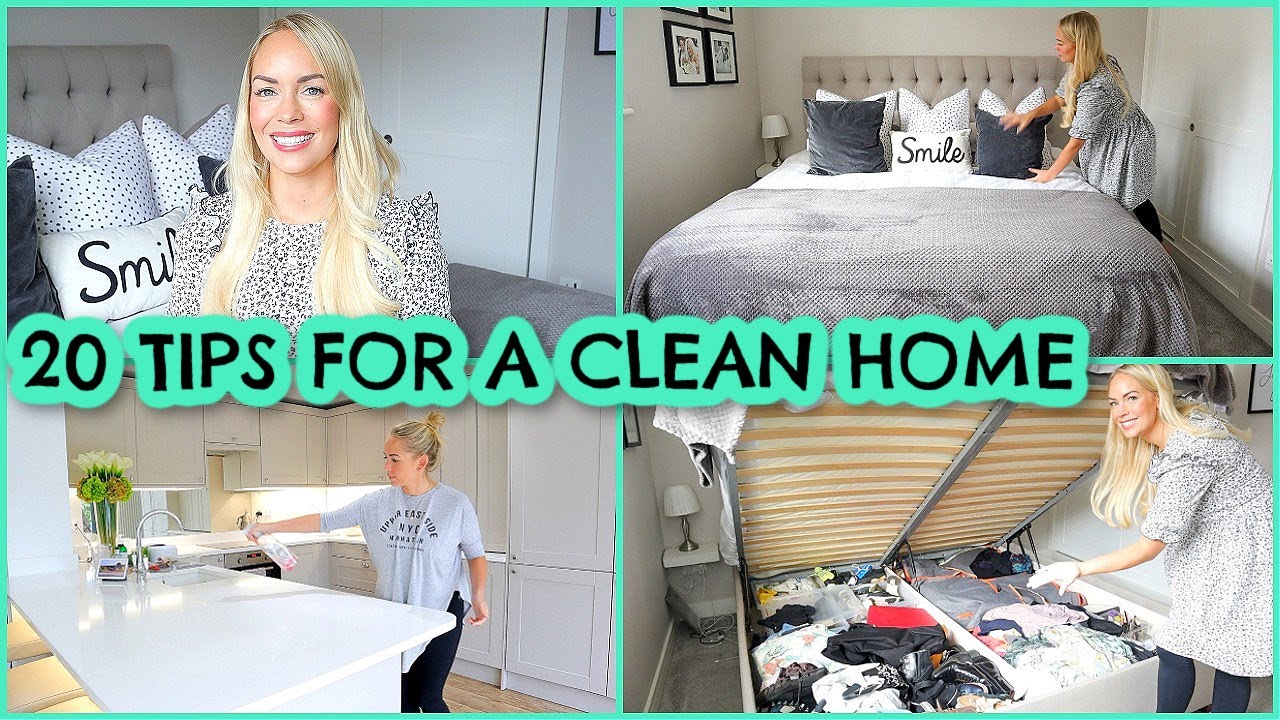
If you just have energy for one zone, pick the room. You spend a 3rd of your life there, taking a breath the same air and engaging with the very same fabrics. Target fabrics first. Clean sheets weekly in warm water, preferably at 130 F or higher, since that temperature level range aids denature mite irritants. If you can not strike that temperature, make use of a washing additive designed to break down irritants. Clean bed linen every one to two weeks, and coverings every 2 to four weeks. Also if a comforter states "dry clean," consider utilizing a bed linen that can be washed commonly so the mass product remains cleaner longer.
Encasements for cushions and mattresses are less glamorous than brand-new throw pillows, however they're the actual upgrade. A great encasement zooms fully shut, has a tight weave that blocks mite allergens, and resists tearing at the zipper. I've seen symptoms improve within days when encasements take place and linens get on a regular laundry schedule.
Vacuum the mattress surface area gently every month before making the bed. Use the furniture tool, not the beater bar, to prevent drawing strings. After that strike the bed frame and headboard, specifically upholstered ones that act like big dirt sponges.
If you have heavy drapes that barely relocate, they're capturing and releasing dust each time the window opens. Switching to washable drapes, roller tones, or shutters minimize maintenance. If you keep drapes, plan to wash or completely dry clean them seasonally. Lastly, maintain the flooring as open as possible. Two small carpets that can be equipment cleaned defeated one giant floor rug that never ever obtains deep cleaned.
Living spaces: manage air flow and textiles
Living spaces are airflow crossroads. Individuals relocate in and out, cooling and heating presses air throughout the area, and fans sit above spinning everything right into the breathing area. Wipe follower blades with a moist microfiber prior to you run them for the period. If you can not keep in mind the last cleaning, expect a surprising amount of grey. Return air vents, supply grilles, and the face of the air purifier also require focus monthly. If your purifier's pre-filter is cleanable, rinse and completely dry it completely before reinstalling.
Sofas and elbow chairs collect dander, skin cells, plant pollen, and food crumbs. Flip pillows, vacuum joints, and lift the couch to get below. For allergy relief, a quarterly deep cleansing of furniture is not excessive. If you're selecting furnishings with allergic reactions in mind, tighter weaves and natural leather or synthetic natural leather surface areas release dust more conveniently than nubby textiles. Throws and cushion covers must be cleanable and revolved often. The stylish woollen toss that never ever sees the washing is basically a plant pollen depot.
If your living-room has a big area rug, consider its cleaning. Low-pile synthetic carpets are simplest to maintain clean and can frequently be steam cleaned. High-pile or shag rugs really feel great on bare feet but catch more bits, especially if you have family pets. If you can not part with a luxurious carpet, vacuum cleaner a lot more slowly and from two instructions, and take into consideration specialist cleansing a minimum of once a year.
Kitchens: moisture, particles, and habits
Kitchen allergies hardly ever originate from dust mites, yet a lot of toxic irritants drift below, particularly smoke and cooking aerosols. Utilize your range hood every single time you prepare, also for steaming water. A hood that vents outside is ideal, but also a recirculating one with a clean filter aids. Oil and smoke bring great fragments that can inflame sensitive air passages. Clean the hood filter monthly if you cook daily, or quarterly for lighter usage. An easy degreaser and cozy water do the job. Maintain a habit of cleaning cabinet tops and the fridge top, considering that these surfaces accumulate sticky dirt that holds on to air-borne grease.
If you store pet food or dry goods in paper bags, anticipate more crumbs and dirt that attract bugs. Secured containers decrease both insects and fragments. Move or vacuum under devices a couple of times a year, or more frequently if you see pet hair wandering there like tumbleweeds. Dampness is the adversary in sink bases and dish washer seals. If you scent mustiness, draw whatever out, completely dry the closet, look for slow leakages, and think about a desiccant cylinder to keep moisture down.
Bathrooms: mold and mildew control defeats expensive products
Bathrooms do not need complex products to remain allergen-friendly. They require airflow and dry surface areas. Run the exhaust fan during showers and for 20 minutes later. If your mirror fogs heavily and remains clouded, your fan is underperforming. Many older fans relocate less air than their tags assert, particularly when dirt clogs the grille. Get rid of the cover and vacuum cleaner it, then tidy the fan housing with a damp fabric. If the follower is loud but weak, replacement is a real quality-of-life upgrade.
Keep shower cement and silicone seals tidy and dry. An everyday squeegee pass cuts water by half or even more, which significantly slows down mold development. If pink or black streaks appear, utilize a non-abrasive cleaner and a soft brush. For stubborn black places at silicone joints, you may need to change the sealer, because mold can root below the surface area. Laundry bathroom mats weekly. Cotton floor coverings that can enter the washing machine are much superior to memory foam floor coverings that catch moisture. Keep a little towel committed to wiping down the sink rim and counter to avoid a moist film that invites mildewy odors.
Entryways and washing: catch it at the door, complete it in the wash
An entry mat throughout does extra for pollen control than most individuals understand. A rugged outside floor covering rips off grit and plant debris, while a low-pile indoor floor covering grabs finer fragments. Shake or vacuum them every couple of days during high pollen period. A footwear shelf by the door nudges everyone to leave pollen and dirt behind. If you run, yard, or play sports, bag those clothes and clean them quickly to keep pollen from dispersing with the house.
Laundry can assist or hurt, relying on how you handle it. Clean allergen-prone fabrics hot when possible, and dry entirely. Don't overload the washing machine, due to the fact that crowded loads do not wash well. If you line completely dry outdoors throughout height plant pollen period, hesitate about bedding and towels. They'll come back crisp and fresh, yet they'll additionally be cleaned with pollen. Dry those inside your home instead.
HVAC and the air you breathe
If you have actually forced air, your system relocates bits around throughout the day. That's not necessarily poor if your filtering is doing the job. Make use of the highest possible MERV filter your system can handle without choking air flow. For many homes, that's MERV 11 to 13. Modification filters on a schedule, not when you bear in mind. For homes with pets or heavy traffic, that might be every 6 to 8 weeks. If your filter flexes or bows when you eliminate it, it probably sat as well long. Have your air ducts inspected if you have actually seen building and construction dirt, rodent task, or if you got a home that scents stale whenever the system runs. A duct cleansing can aid in those cases, however it's not a magic bullet, and it's not required each year for a lot of homes.
Set your a/c follower to "car" instead of "on" if moisture is a concern. Running the fan regularly can place wetness back right into the living space after the cooling cycle stops, improving allergen convenience. On the various other hand, running the follower for a brief duration after vacuuming can draw great particles into the filter. Use judgment based upon your climate and how your system behaves.
Purifiers earn their maintain in bedrooms and living areas. Maintain them at the very least a foot from walls so air can circulate. Change filters on schedule. If you're sensitive to ozone, stay clear of ionizing or ozone-generating functions. Stick to mechanical HEPA.
Floors: approach issues more than frequency
Different floorings require various strategies. Difficult floors are uncomplicated: vacuum cleaner initially, after that damp mop with very little item. A microfiber level wipe beats a sloshy string wipe for allergen control. Usage tidy water and wash the pad frequently, otherwise you push unclean remedy around. If your vacuum spits out dust or leaves a pale scent, check the post-motor HEPA filter and the seals.
Carpets are trickier. Vacuum cleaner gradually, overlapping passes, and let the equipment do the work. Two slow-moving passes can pull more irritants than six rapid ones. Empty bagless canisters outdoors when possible, considering that the act of clearing releases a cloud. With a bagged vacuum, secure the bag's opening with the built-in tab before eliminating it. Consider specialist warm water extraction for carpetings once a year if you have youngsters, pets, or high plant pollen tons. Rental equipments can aid, yet they commonly leave too much dampness behind if you hurry. Proper removal must leave the carpet damp, not wet, and totally completely dry within 12 to 18 hours. If it's slower than that, you run the risk of moldy smells and mold.
Pets: enjoy the pet, clean the environment
You can't wash away dander completely. You can, nevertheless, manage it. Bathe dogs on a regular basis and clean them outdoors when weather enables. For felines, wipes created to decrease dander can be valuable, though outcomes vary. Keep one or two pet-free zones, especially the key bedroom. Laundry family pet bed linens weekly. Vacuum favored relaxing areas more frequently than others. Use tosses on couches so you can launder the get in touch with surface areas frequently. If you have a litter box, use low-dust litter and a floor covering that catches granules. Scoop daily. The fine dirt from some clumping trashes aggravates delicate noses, so a button in brand name can make a surprising difference.
Product selections: much less fragrance, even more sense
Cleaning items need to clean up, not remain in your lungs. Fragrance can be as aggravating as dust for some people. Pick products labeled fragrance-free, not simply unscented, which can consist of concealing fragrances. Skip aerosols when possible. A fluid you relate to a fabric minimizes airborne beads. Bleach fits for sanitation and heavy mold and mildew jobs, yet it can irritate respiratory tracts. If you use it, thin down properly, aerate, and do not blend with anything else. For daily job, mild cleaning agents and surfactants remove bits successfully. Rinse surfaces that get in touch with skin, particularly in nurseries and bedrooms.
A useful regular rhythm
There's no global timetable that suits every home, but a reputable rhythm assists avoid buildup. Here is a succinct pattern that benefits several homes, and it remains concentrated on allergy control rather than perfection.
- Bedroom first: wash sheets weekly, vacuum cleaner floor and under the bed, fast hand down night tables and headboard. Living rooms: dirt high to reduced with a moist microfiber, vacuum slowly, wash couch throws and pillow covers biweekly. Kitchen and baths: run exhaust followers, clean cupboard tops and vent hoods monthly, squeegee showers daily, laundry bath floor coverings weekly.
If you fall off the timetable, begin again with the bedroom and a/c filter. Those 2 give the fastest signs and symptom relief.

Deep cleaning for a seasonal reset
A deep cleaning is not about scrubbing every square inch at the same time. It has to do with taking on the slow-collecting storage tanks that never ever obtain touched in weekly routines. I see the very best results when individuals tie deep cleaning to seasonal modifications or huge life events, like preparing for a newborn or ending up a remodelling. Start with ceilings and function down. Clean fan blades, lights, and crown moldings. Clean or replace return air grilles if they're rusted or clogged. Draw large furnishings away https://claytonchwi560.iamarrows.com/the-most-effective-order-to-clean-your-house-for-faster-outcomes from wall surfaces, vacuum behind and below, and clean walls. Launder or dry tidy drapes, or at the very least vacuum them with a furniture device. Heavy steam tidy rugs and upholstery on the same day, with excellent air flow and adequate time to completely dry. Check storage rooms, specifically the highest racks, where rarely used linens and travel luggage gather dust. A one-day press similar to this can considerably decrease sneezing for weeks.
People usually ask whether to hire out deep cleaning. If you're time-strapped or have extreme allergies, generating a team for deep cleansing can be worth it. Ensure they're familiar with allergy-focused home cleansing, usage HEPA vacuums, avoid heavy fragrances, and adhere to a top-to-bottom, dry-to-wet process to stop re-contamination.
Move out cleaning when allergies are involved
Moving out is the excellent time to reset a space for the following resident or to safeguard yourself throughout the last days in a home. A standard leave cleansing hits closets, home appliances, and bathrooms, yet allergy relief needs a few extras. Vacuum all storage room shelves and the tops of door frameworks, wipe cooling and heating returns and supply grilles, and change the heating and cooling filter so dirt from cleaning does not recirculate. Heavy steam clean carpetings nevertheless furnishings is gone, after that run followers or the cooling and heating on a completely dry setting to speed drying. Draw the cooktop and fridge to tidy behind them, where dirt and grease incorporate. If you're relocating into a brand-new location, think about having actually deep cleaning done prior to you bring in fabrics and beds. It's much easier to take care of sticking around dirt and improvement deposit in a vacant room.
In rental circumstances, I have actually seen down payment disagreements over "dirty" vents and messy blinds, however more importantly, I've seen lessees endure through their recently since they stimulated irritants while packing. Use a premium mask throughout packaging and cleansing, keep home windows shut on high pollen days, and stage packed boxes in one space so you're not kicking up dust from every edge at once.
Kids, senior citizens, and unique sensitivities
If somebody in the home has bronchial asthma, eczema, or solid scent level of sensitivity, every adjustment must be evaluated through that lens. For toddlers who use floors, focus on regular vacuuming and cleanable play mats. For elders, avoid ladder job and hefty furnishings relocations; target lower shelves, obtainable vents, and the room fabrics rather. If you're handling multiple level of sensitivities, place the air purifier in the area with one of the most hours of tenancy and maintain it on a silent, steady setup. Big, seldom bursts of air flow can stir more fragments than they capture.
When to bring in professionals
Professional help makes sense when there's visible mold and mildew larger than a number of square feet, when you spot a persistent moldy smell you can not locate, or after a leak or flood. It also assists to hire out carpeting and furniture cleaning annually if you have a busy household. For heating and cooling, an assessment and tune-up yearly or two aids maintain filtering reliable and moisture in check. If signs and symptoms are serious or year-round, take into consideration speaking with a specialist. Pinpoint screening can inform you whether dust mites or yard plant pollen should drive your priorities.
Small habits that include up
Allergy alleviation is much less concerning heroic weekend breaks and more regarding daily and regular micro-choices. Fold washing near a cleanser. Keep a lint roller by the door to de-pollen jackets. Shower and alter clothes after high-exposure activities like cutting or hiking. Wipe pet paws after walks during plant pollen season. Empty the vacuum cleaner container outdoors. Wash the mop pad midway with a space. None of these take long, and together they reduced the history degree of irritants your body has to process.
A quick truth check
No home is allergen-free, and going after that goal results in disappointment. The goal is a noticeable decrease in signs, much better sleep, and fewer flare-ups throughout peak seasons. Lots of houses see measurable renovation within 2 weeks when they incorporate bed room textile care, HEPA purification, and cautious vacuuming technique. If you have actually attempted whatever and still really feel rough, reassess where you invest the majority of your time and what you connect with a lot of. The one rug you never tidy, the beloved down pillow, or the ceiling fan you never ever clean might be the quiet culprits.
A brief seasonal list to stay ahead
- Spring: maintain home windows shut on high plant pollen days, wash window screens, wash curtains, vacuum cleaner home window sills, and run purifiers extra often. Summer: control humidity listed below half, squeegee showers, tidy follower blades, and ensure heating and cooling condensate drains pipes freely. Fall: deep clean carpets and upholstery, swap bed linen for washable layers, vacuum heating vents, and check climate removing to lower dust ingress. Winter: dust more carefully and frequently, increase ventilation while cleaning, change filters on time, and prevent over-humidifying.
Allergy-focused cleaning is not about going after dust with a plume duster. It is about getting rid of reservoirs, boosting air flow, and structure routines that do not fight your life. With the right devices and rhythm, house cleaning ends up being a silent ally. If you need a reset, commit to a weekend deep cleaning, then downsize to a simple once a week regimen. If you're moving, use a thoughtful vacate cleaning up to reduce the dust storm that packaging can develop. Your future self, breathing easier on the sofa or awakening without an unclear head, will certainly really feel the difference.
House Glow Cleaning
Spotless Homes, Sparkling Workspaces
Contact Information
Belmont, CA 94002
United States
About House Glow Cleaning
Our Professional Cleaning Services
Why Bay Area Clients Trust House Glow Cleaning
🌉 Proudly Serving the Bay Area
From San Francisco to San Jose, we bring a professional touch to every job. Whether it's your home, office, or rental property, you can trust House Glow Cleaning to deliver spotless results every time.
📞 Call (415) 362-4555 🌐 Get a Quote Online